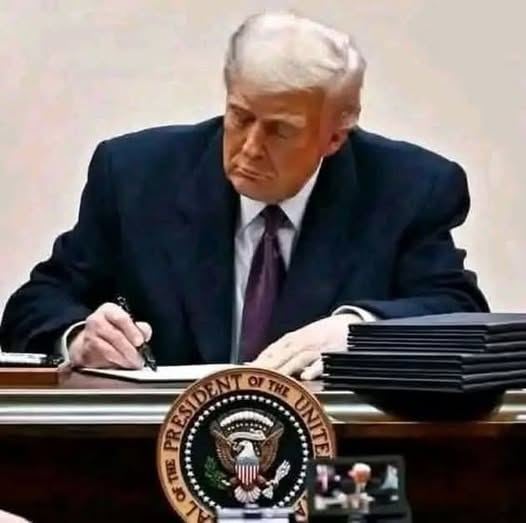
Trump and his supporters argue that the clemency addresses what they see as “politically motivated” prosecutions. For them, it’s a fulfillment of promises to protect those targeted for their ideological beliefs, particularly around issues like abortion and religious freedom.
This decision aligns with Trump’s broader agenda of defending free speech and religious liberties. He has consistently portrayed himself as a defender of individuals and groups who, in his view, are punished for holding conservative views or protesting progressive policies.
Critics, however, warn that this act undermines the rule of law. Civil rights organizations and Democratic leaders say the move could blur the line between justice and political favoritism, potentially encouraging unlawful behavior with the hope of political absolution.
Supporters counter that the activists were unfairly treated for peacefully expressing their beliefs. They see the clemency as a necessary correction to judicial overreach and a reaffirmation of the right to protest and advocate on deeply held moral grounds.
Ultimately, this clemency decision underscores the nation’s polarization. It touches on larger themes such as the role of activism, the integrity of the legal system, and the use of presidential power. Whether seen as an act of justice or overreach, Trump’s decision is sure to fuel political and legal debates for months to come.