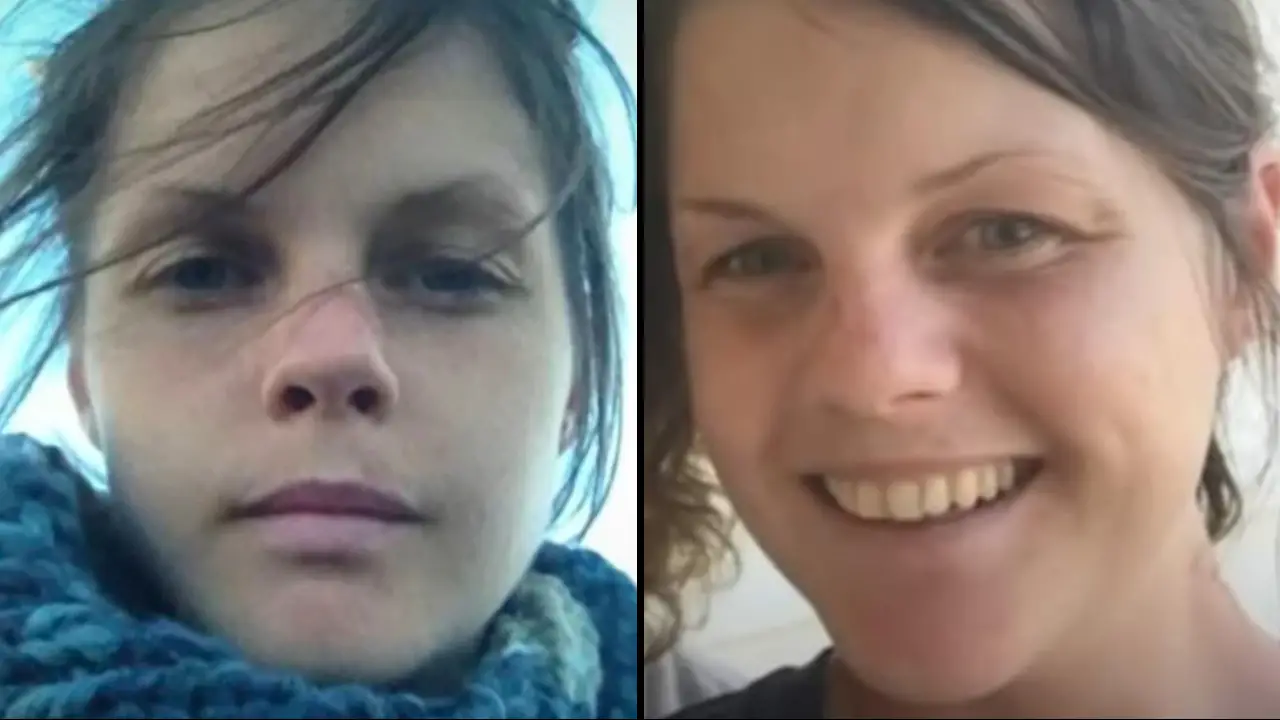
Christina Lackmann took a lethal amount of caffeine prior to her death.
The Australian woman, 32, died alone in the bathroom of her Melbourne apartment, after taking a deadly overdose of caffeine.
The 32-year-old quickly became very unwell, and phoned for an ambulance after being unable to get up from her bathroom floor.
Lackmann noted during the phone call in April 2021, that she felt dizzy, light-headed, and numb.
But it was a key failure from the emergency services that ultimately led to her death.
According to her inquest, there was an ‘unacceptable’ delay from the ambulance team in treating the 32-year-old, whose life they could have saved.
Coroner Catherine Fitzgerald ruled that had paramedics gotten to her sooner, she may have survived the overdose.
The woman was categorised as a ‘non-urgent’ patient, despite taking a lethal amount of caffeine.

At no point did the patient disclose what had caused the symptoms, nor in what form she had ingested the caffeine.
An hour following her initial call, Lackmann was moved higher up in ‘priority’, to improve her chances of being seen by an ambulance.
But despite two ambulances being dispatched to her apartment, they were both diverted to higher-priority locations along the way.
Details from the inquest revealed that over seven hours had passed by the time Lackmann was seen by an emergency team.
But it was too late.
She was pronounced dead just moments after paramedics had arrived at her Melbourne apartment.
Her toxicology report suggested a very high, and potentially fatal, concentration of caffeine was detected in the bloodstream.
And while the exact amount cannot be established, chief toxicologist, Dimitri Gerostamoulos, explained that her overdose could not have been achieved by drinking an excessive amount of coffee.

However, an email on her phone found an order for caffeine tablets had been delivered to her apartment, on the same day as the tragic incident.
Searches of the apartment did not reveal the tablets nor their packaging.
Coroner Fitzgerald said: “I am satisfied that Christina’s death was the consequence of the ingestion of caffeine tablets.
“However, I am not satisfied to the requisite standard that Christina intended to take her own life, although this remains a distinct possibility.”
Specialist medical practitioner in clinical and forensic toxicology, professor Narendra Gunja, noted that a caffeine overdose of this kind can become a deadly situation within eight hours of consumption.

The specialist added that had she been hospitalized promptly, it’s likely she could have communicated what had been taken, and could have been treated accordingly.
Professor Gunja noted that it’s difficult to say exactly what time she died, because so little was known about when she had taken the caffeine, and how much she took.
The Australian state of Victoria, which was responsible for treating Lackmann, has a goal of 90 per cent of ambulance patients being transferred to emergency care within 40 minutes of arrival.
However, despite the ambitious target, the latest data from the state shows that instead, 69.6 percent of ambulance patients are admitted within 40 minutes.