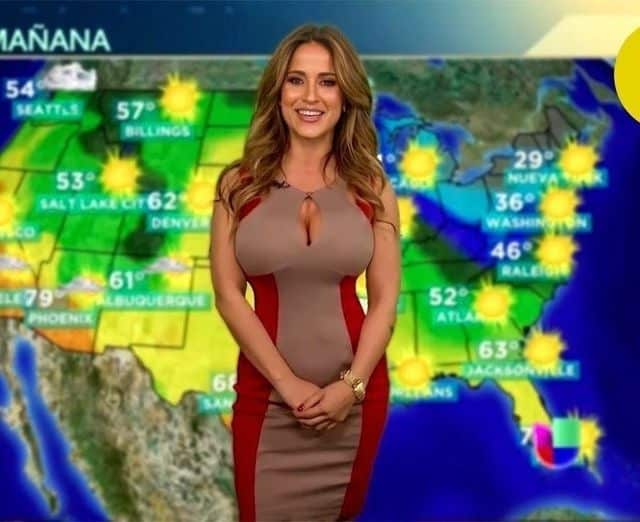
Weather presenters are a familiar and trusted presence in many households. They do more than just tell us if we’ll need an umbrella or sunscreen tomorrow—they help us understand the world around us through the lens of weather. By transforming complex meteorological data into simple, practical guidance, they make it easier for everyone to plan ahead and stay safe.
Behind every weather segment is a blend of science and storytelling. Some weather presenters are trained meteorologists with years of scientific education, while others are seasoned broadcasters with a deep interest in climate and weather patterns. Regardless of their path, what they all share is the unique ability to communicate clearly and effectively. They analyze data from satellites, radar systems, and forecasting models, then deliver it in a way that feels accessible and relevant to everyday life.
One of the most valuable aspects of a good weather presenter is their human touch. A friendly smile, a calming voice, or a bit of humor during a particularly intense forecast can make the information not only easier to absorb but also more memorable. In a world where news can often feel overwhelming, weather presenters offer a moment of connection and clarity.
Their importance becomes even more evident during extreme weather events. When hurricanes, blizzards, floods, or heatwaves threaten a region, weather presenters shift into a critical public service role. Their calm, steady delivery can provide reassurance, while their accurate and timely information helps people take the necessary precautions to protect themselves and their loved ones. In many cases, their guidance can be the difference between uncertainty and preparedness.
In addition to providing daily forecasts, many weather presenters are also involved in broader educational efforts. They may visit schools, speak at community events, or engage with viewers through social media to raise awareness about climate issues, safety tips, and the science behind weather phenomena. This outreach helps deepen public understanding and encourages a more informed and resilient society.
As global climate patterns continue to change, weather events are becoming more intense and less predictable. This makes the role of weather presenters more important than ever. They serve as interpreters of the atmosphere, helping people understand not only what’s happening now, but what might be coming—and what it means for our communities.
Ultimately, weather presenters are more than just broadcasters. They’re communicators, educators, and trusted voices who bring the science of the skies into our homes with warmth, clarity, and compassion. While we can’t control the weather, thanks to them, we can meet each day with awareness, preparation, and a little more peace of mind.