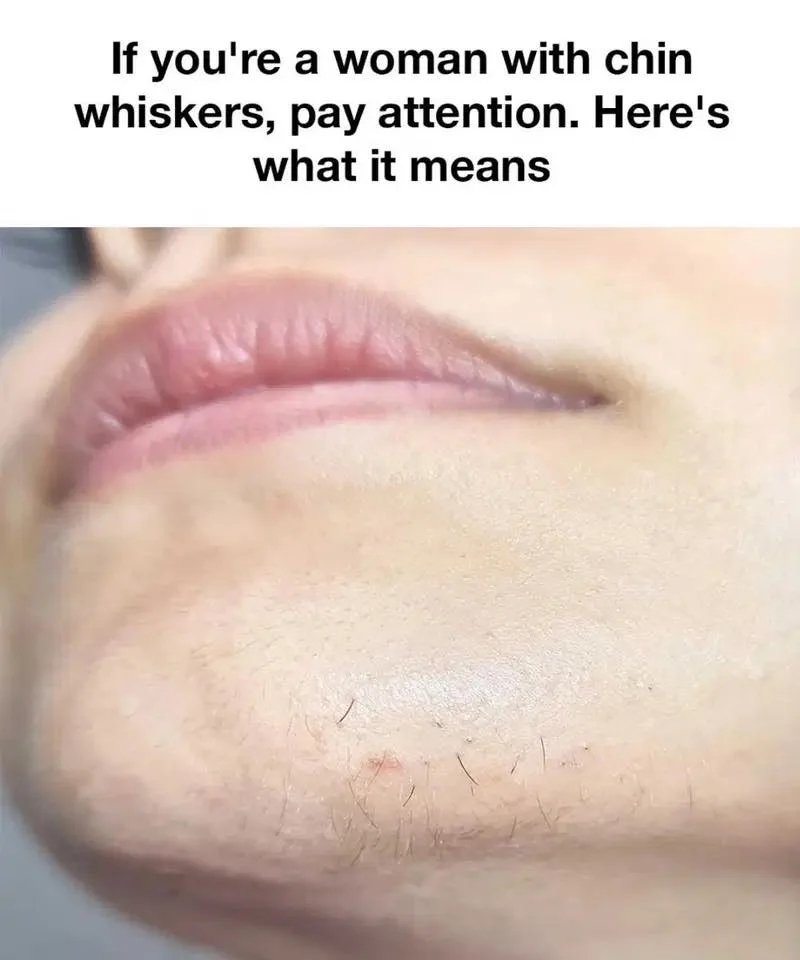
Chin whiskers in women, often a source of quiet frustration or self-consciousness, are far more common than many realize. Though sometimes considered a taboo topic, the presence of facial hair—especially on the chin—is a natural part of life for countless women around the world. These hairs can appear in varying textures and shades, from soft and barely visible strands to thicker, coarser, and darker hairs that stand out more prominently. While some women only deal with an occasional rogue strand, others face persistent or more widespread growth that requires ongoing management. Understanding why chin hair grows and what influences its…
Chin whiskers in women, often a source of quiet frustration or self-consciousness, are far more common than many realize. Though sometimes considered a taboo topic, the presence of facial hair—especially on the chin—is a natural part of life for countless women around the world. These hairs can appear in varying textures and shades, from soft and barely visible strands to thicker, coarser, and darker hairs that stand out more prominently. While some women only deal with an occasional rogue strand, others face persistent or more widespread growth that requires ongoing management.
Understanding why chin hair grows and what influences its development is key to addressing it effectively—and without shame. For starters, chin hair, like all body hair, follows the same fundamental hair growth cycle. This cycle includes three main phases: anagen (the active growth stage), catagen (a brief transitional phase), and telogen (the resting period before the hair falls out). A woman’s body hair, including that on the chin, is largely influenced by hormones—particularly androgens, which include testosterone. Although women naturally produce androgens, higher-than-average levels or heightened sensitivity to them can cause more visible hair to develop on the face.
Hormonal fluctuations are one of the most common reasons why chin whiskers appear. One of the leading conditions responsible is polycystic ovary syndrome (PCOS), a hormonal disorder that can cause irregular periods, acne, and elevated androgen levels. These increased hormone levels often trigger hirsutism, a condition defined by excessive hair growth in areas where men typically grow hair, like the chin, chest, and back. For women with PCOS, chin whiskers can be one of the earliest visible signs of an underlying hormonal imbalance.
Another critical hormonal phase that often brings changes in facial hair is menopause. As estrogen levels drop during this time, the balance between estrogen and androgens shifts, sometimes leading to new or more noticeable hair growth on the chin and upper lip. Even certain medications, such as hormonal contraceptives or steroids, can impact this delicate hormonal equilibrium and affect where and how hair grows.
Genetics also plays a fundamental role. If your mother, grandmother, or other female relatives had facial hair, chances are higher that you might experience it too. Hereditary traits often determine not only whether chin hair develops, but how much, how thick, and how dark it may be. Ethnicity can further influence the pattern and volume of facial hair growth. Women of Middle Eastern, Mediterranean, and South Asian descent are statistically more likely to experience thicker or more visible facial hair, often due to genetic predisposition combined with normal hormonal activity.
In some cases, the emergence of chin whiskers can signal something more serious. While PCOS remains the most frequent medical reason, other endocrine disorders can also disrupt hormone production. Conditions such as Cushing’s syndrome (where the body is exposed to high cortisol levels), adrenal gland disorders, and rare hormone-secreting tumors can all cause noticeable changes in hair growth. Even hypothyroidism—an underactive thyroid—can sometimes be linked to irregularities in hair growth patterns. Sudden or excessive hair growth should never be ignored. When a noticeable change occurs quickly or is accompanied by other symptoms like weight gain, fatigue, or irregular periods, it’s important to consult a medical professional to rule out more serious health concerns.
In the end, chin whiskers are a complex and multifaceted issue. They may stem from harmless genetics, or they might be early warning signs of underlying hormonal or medical conditions. What matters most is awareness and compassion—for yourself or for others. There is no shame in addressing facial hair, no matter how society might portray it. From medical treatment to cosmetic management to simply understanding its root causes, every woman deserves to make informed choices about her body without judgment or stigma.
Chin hair in women isn’t unusual—it’s simply human. And the more openly we talk about it, the more empowered we become to care for ourselves fully, both inside and out.