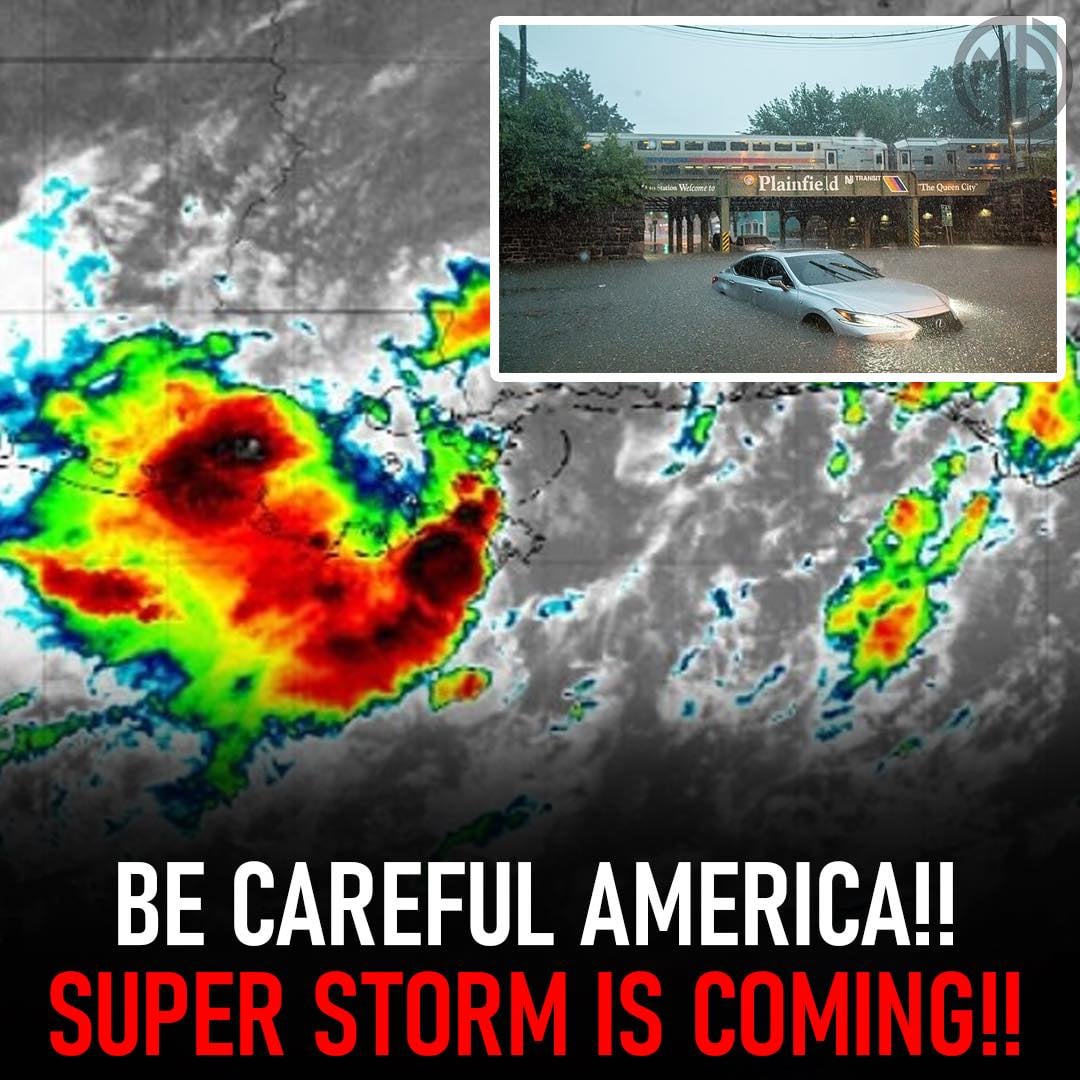
The storm system, fueled by unusually warm ocean temperatures and atmospheric instability, is expected to impact both the East and West Coasts, as well as parts of the Midwest. Cities with poor drainage infrastructure are at particularly high risk of flash floods, which can develop rapidly and with little warning. Emergency management teams are already staging sandbags, rescue equipment, and relief supplies in vulnerable areas. Residents are advised to secure their homes, stock up on essentials, and avoid unnecessary travel once the storm hits.
The potential for widespread power outages is another major concern, as high winds could knock down trees and power lines. Utility companies are preparing for large-scale disruptions, but some rural communities may face extended blackouts. Additionally, the storm could disrupt air and ground travel, with airlines preemptively canceling flights in affected regions. Schools, businesses, and government offices in high-risk zones may also close temporarily to ensure public safety.
Experts stress that climate change is increasing the frequency and intensity of such extreme weather events, making preparedness more critical than ever. “This isn’t just another rainstorm—it’s a life-threatening situation,” said a leading climate scientist. Officials are urging Americans to stay informed through weather alerts, heed evacuation orders, and check on vulnerable neighbors. With the storm rapidly approaching, time is running out to take precautions. Stay safe, stay alert, and be ready for whatever comes next.